Choosing between a newer area and a more established part of Woodbury is not as simple as picking “better” or “worse.” Woodbury was planned to offer different kinds of living environments, so the right fit depends on how you want to live day to day. If you are trying to narrow your search, this guide will help you compare housing styles, location patterns, utilities, and lifestyle tradeoffs across Woodbury. Let’s dive in.
How Woodbury Is Set Up
Woodbury is a large and growing east metro suburb with an estimated 80,596 residents in 2024. The city has a high rate of homeownership, with 78% of housing units owner-occupied in 2019 through 2023, and it offers a broad mix of housing types.
That variety is a big part of Woodbury’s identity. City planning documents describe neighborhoods that range from rural estates to traditional single-family areas to mixed-housing settings with different densities. Most of the housing stock has been built since 1990, which means even many "established" areas may still feel relatively modern compared with older inner-ring suburbs.
Newer Versus Established in Woodbury
In Woodbury, newer and established areas are often better understood as different planning patterns. Newer growth has been guided mainly toward the eastern and southern parts of the city, while more established-feeling areas often reflect earlier suburban development, mature infrastructure, and ongoing reinvestment.
That means you are not really comparing a historic old-town district with brand-new subdivisions. Instead, you are comparing neighborhoods shaped by different phases of suburban planning, different housing formats, and different relationships to parks, shopping, civic spaces, and open land.
What newer areas often feel like
Newer parts of Woodbury are typically tied to recent master planning, utility extensions, trail links, and organized open-space systems. The city’s South of Dale Road Master Plan, approved in 2021, is meant to guide roads, trails, greenway corridors, stormwater management, trunk utilities, parks, and open space while creating continuity between neighborhoods.
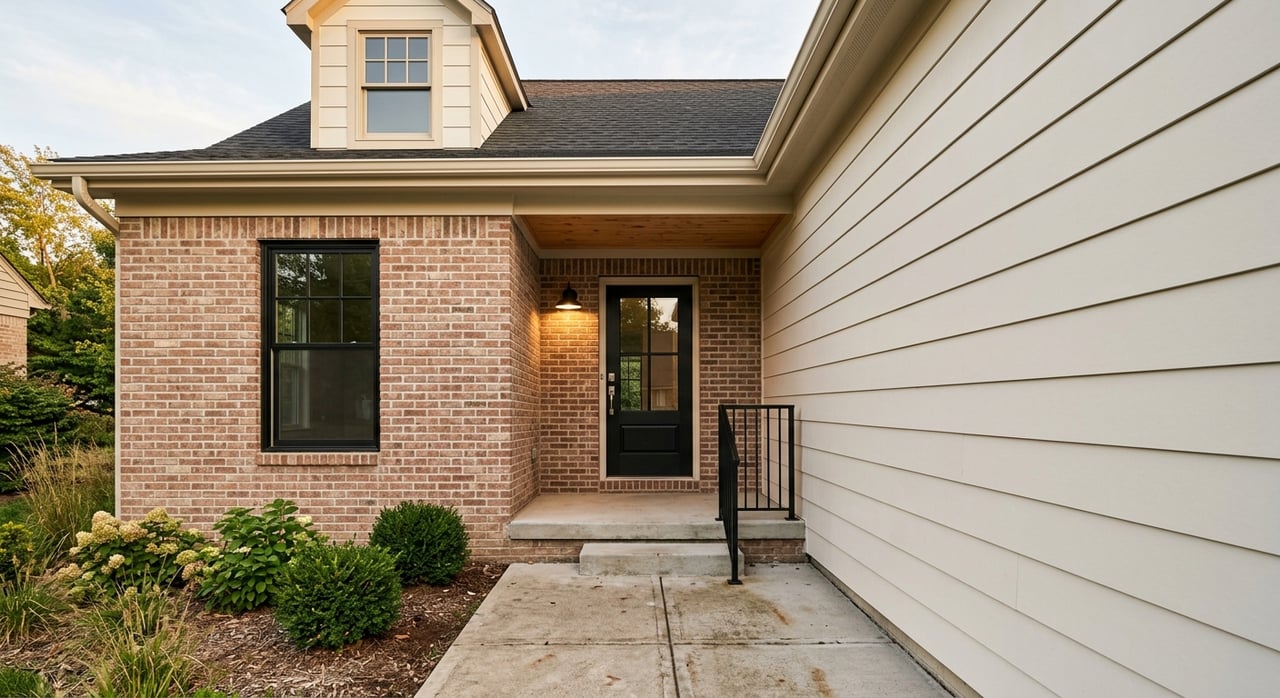
These newer areas may also include a wider range of housing types within one broader district. In Woodbury’s low-density mixed residential settings, development can include detached homes, twin homes, townhomes, and detached townhomes through planned unit development. Medium-density areas may feature smaller lots, narrower streets, and stronger sidewalk and trail connections.
What established areas often feel like
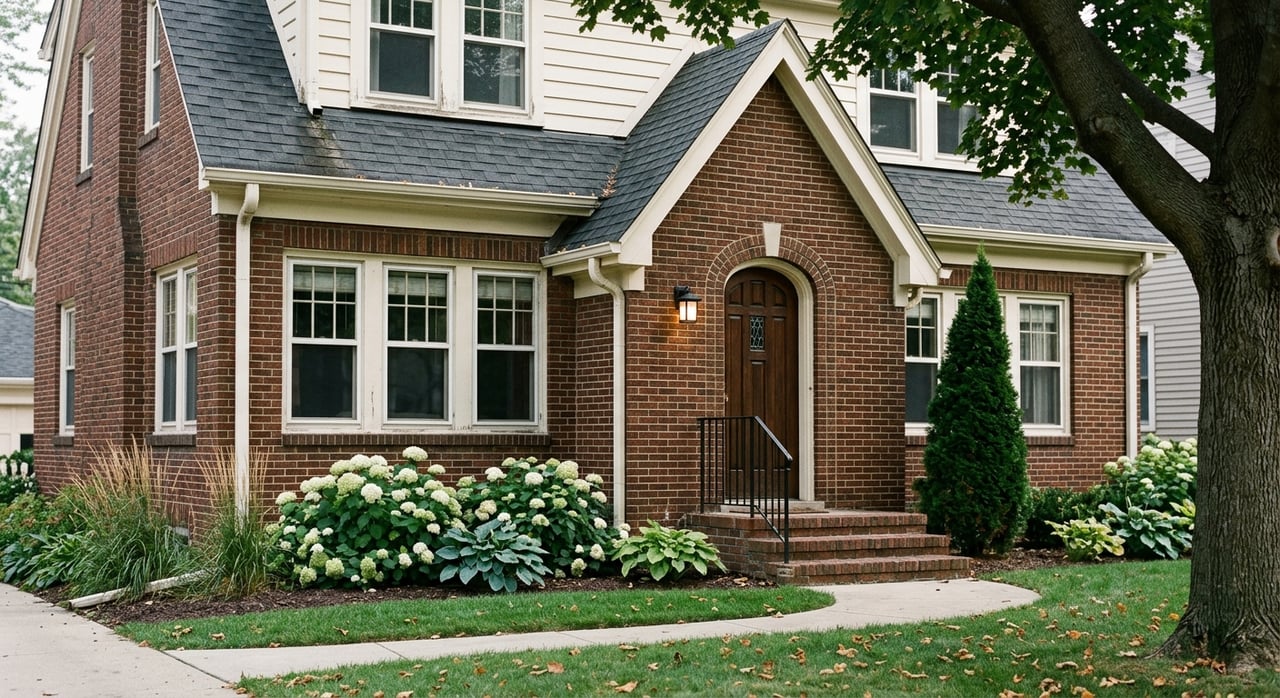
Established areas in Woodbury often mean places with an earlier suburban layout, more mature landscaping, and a lived-in neighborhood feel rather than entirely new construction. The city’s housing work includes preserving and revitalizing existing housing and neighborhoods, which reflects a focus on reinvestment as the community matures.
Some established settings are also defined by location rather than age alone. The City Center area around Radio Drive and Valley Creek Road functions as a long-standing civic focal point, while certain edge areas in southwest Woodbury offer a very different, lower-density experience.
Where Newer Growth Is Concentrated
Woodbury’s future residential growth is being directed mainly to the east and south. The city also notes that the last large area of undeveloped freeway frontage is in northeast Woodbury, so buyers looking for newer opportunities are often drawn to these parts of the map.
A key example is the area covered by the South of Dale Road Master Plan. This plan is designed to coordinate not just housing, but also the infrastructure that supports neighborhood life, including streets, trails, parks, utilities, and greenway connections.
Another recent focus is the Urban Village at Bailey Road and Radio Drive. The city envisions this as a southern Woodbury retail and service center with community-scale retail, service and office uses, medium- to high-density residential, and public gathering spaces.
What You May Find in Newer Areas
If you are looking in newer sections of Woodbury, you may notice a stronger mix of housing formats within close reach of each other. Depending on the specific development, that could include:
- Detached single-family homes
- Twin homes
- Townhomes
- Detached townhomes
- Medium-density residential near services
- Higher-density housing near shopping, employment, parks, open space, and transit
This can be helpful if you want flexibility in home type without leaving the same general part of the city. It can also make newer areas appealing for buyers who want options as needs change over time.
What More Established Areas May Offer
More established parts of Woodbury can appeal to buyers who want a neighborhood that feels settled and familiar. In practical terms, that may mean mature streetscapes, longer-standing community patterns, and proximity to civic and recreational anchors that have helped define Woodbury over time.
The City Center area is a strong example of this established feel. Located at Radio Drive and Valley Creek Road, it is described by the city as a major community focus and a place to shop, work, play, and gather, with City Hall, the public safety building, Central Park, the Washington County Library, and the YMCA nearby.
There are also edge settings that feel established in a different way. The Rural Estate area in southwestern Woodbury and around Bailey Lake is intended to be long-term and enduring, with rural design principles, single-family housing only, and private wells and septic systems.
Lifestyle Differences to Think About
The best Woodbury neighborhood for you often comes down to everyday routines. Newer and established areas can support very different preferences, even when both offer good access to parks, trails, and services.
Woodbury has more than 180 miles of multi-use trails and about 3,600 acres of dedicated park land, so outdoor access is part of life across the city. Still, how that access connects to your neighborhood can vary depending on the development pattern and where you are located.
Shopping and errands
Newer areas in Woodbury often sit closer to major retail and service clusters. CityPlace and Woodbury Lakes in north Woodbury, Tamarack Village and Woodbury Village in the northwest, and Bielenberg Gardens in southwest Woodbury all shape how residents run errands, dine out, and use services.
Woodbury is also described as a shopping destination with more than 5 million square feet of retail. If convenience and regular access to shopping are high on your list, this may matter as much as the age of the homes themselves.
Open space and edge feel
If you prefer a quieter edge setting, some established or transitional parts of Woodbury may stand out more. Rural Estate and Urban Estate categories create a different feel from more compact planned neighborhoods, especially if you value lower density and a more open pattern.
Urban Estate areas are intended to help bridge rural and urban residential areas at about one unit per acre. That creates a middle ground for buyers who do not want the most compact layout but also do not want a fully rural setup.
Sidewalks, streets, and lot patterns
Street design can affect how a neighborhood feels just as much as home age. In Woodbury’s medium-density residential areas, the city describes smaller lots and narrower streets, along with sidewalks and trails that support pedestrian movement.
By contrast, some lower-density or earlier-pattern neighborhoods may offer a different spacing between homes and a different rhythm to the streetscape. If you are comparing homes online, this is one of those details that becomes much clearer once you visit in person.
Utilities and Infrastructure Matter
One of the most practical differences in Woodbury is not style at all. It is infrastructure.
Many newer and more urbanized neighborhoods are shaped around municipal utilities and coordinated public improvements. In contrast, the Rural Estate area is intended to rely on private wells and septic systems.
That distinction can affect maintenance expectations, budgeting, and your comfort level with property systems. If utilities are an important part of your decision, this should move near the top of your checklist.
Questions to Help You Narrow It Down
If you are torn between newer and more established areas, it helps to ask fit-based questions instead of trying to rank neighborhoods. A clear home search usually starts with how you want to live, not just what year a home was built.
Here are some useful questions to ask yourself:
- Do you want a detached single-family setting, or are townhomes or mixed-housing neighborhoods also a fit?
- How much do lot size and spacing between homes matter to you?
- Do you prefer narrower streets and stronger sidewalk connections, or a more spread-out pattern?
- Is being close to shopping and services a top priority?
- Would you rather be near the civic core, or closer to a quieter edge setting?
- Are municipal utilities important, or are private wells and septic acceptable?
- How much does access to I-94, I-494, and I-694 matter for your commute?
How to Tour Woodbury Strategically
If you are serious about buying in Woodbury, try touring neighborhoods in pairs. Visit one newer planned area and one more established setting on the same day so the differences are easier to feel in real time.
Pay attention to more than the house itself. Notice the street width, trail connections, nearby services, park access, housing mix, and how each area fits your daily routine.
This kind of side-by-side approach is often the fastest way to clarify your priorities. You may discover that what matters most is not newer versus established, but things like utility setup, proximity to retail, or the overall pace of the neighborhood.
The Bottom Line on Woodbury Neighborhoods
Woodbury works well for buyers because it was designed with variety in mind. Rather than forcing everyone into one neighborhood model, the city offers a mix of residential environments that balance housing form, open space, shopping access, and neighborhood continuity in different ways.
If you are comparing newer versus established areas, the smartest move is to focus on fit. When you match the neighborhood pattern to your lifestyle, commute, housing preferences, and comfort with infrastructure, your search becomes much more focused and much less stressful.
If you want help comparing Woodbury neighborhoods, weighing townhome versus single-family options, or understanding how one part of the city may fit your goals better than another, Arbor Residential Group can help you sort through the choices with a clear, local perspective.
FAQs
What do newer neighborhoods in Woodbury usually offer?
- Newer Woodbury areas often reflect recent master planning, with coordinated roads, trails, parks, utilities, open-space connections, and a mix of housing types in some developments.
What do established areas in Woodbury usually feel like?
- Established areas in Woodbury often feel more settled, with earlier suburban development patterns, mature infrastructure, and ongoing reinvestment rather than a fully new-build character.
Where is most new residential growth happening in Woodbury?
- According to city planning documents, future residential growth is being guided mainly into eastern and southern Woodbury, with another key undeveloped frontage area in the northeast.
Are all established Woodbury neighborhoods older homes?
- No. Woodbury says most of its housing stock was built since 1990, so even established-feeling areas may still have relatively modern homes compared with older metro communities.
How do utilities differ across Woodbury neighborhoods?
- Many urbanized neighborhoods are tied to municipal utilities, while the Rural Estate area in southwestern Woodbury and around Bailey Lake relies on private wells and septic systems.
What should buyers compare when choosing a Woodbury neighborhood?
- Buyers should compare housing type, lot size, street pattern, sidewalks and trail access, proximity to shopping or civic centers, utility setup, and commute access to major highways.