Wondering whether Roseville is the right place to make your next move? If you are hoping for more space, a different home style, or an easier day-to-day commute without heading far out from the Twin Cities, Roseville deserves a close look. Here’s what you should know about Roseville’s housing, pricing, and lifestyle fit so you can decide with more confidence. Let’s dive in.
Why Roseville stands out
Roseville is often a strong fit for move-up buyers who want to stay centrally located. The city highlights easy access to Highway 36, I-35W, and I-35E, which can make getting around the metro simpler.
That central location is part of why Roseville continues to attract buyers. The city’s housing study points to its employment base, shopping, and location as factors that help support ongoing housing demand.
Roseville also has the feel of an established suburb rather than a fast-growing outer-ring area. According to the U.S. Census Bureau, 66.4% of homes are owner-occupied, and 86.6% of residents lived in the same home one year earlier.
What kind of next-step buyer fits Roseville
If you want to move up without feeling like you are starting over in a brand-new fringe suburb, Roseville may line up well with your goals. It can be a smart choice if you want mature neighborhoods, practical commute access, and a range of resale home options.
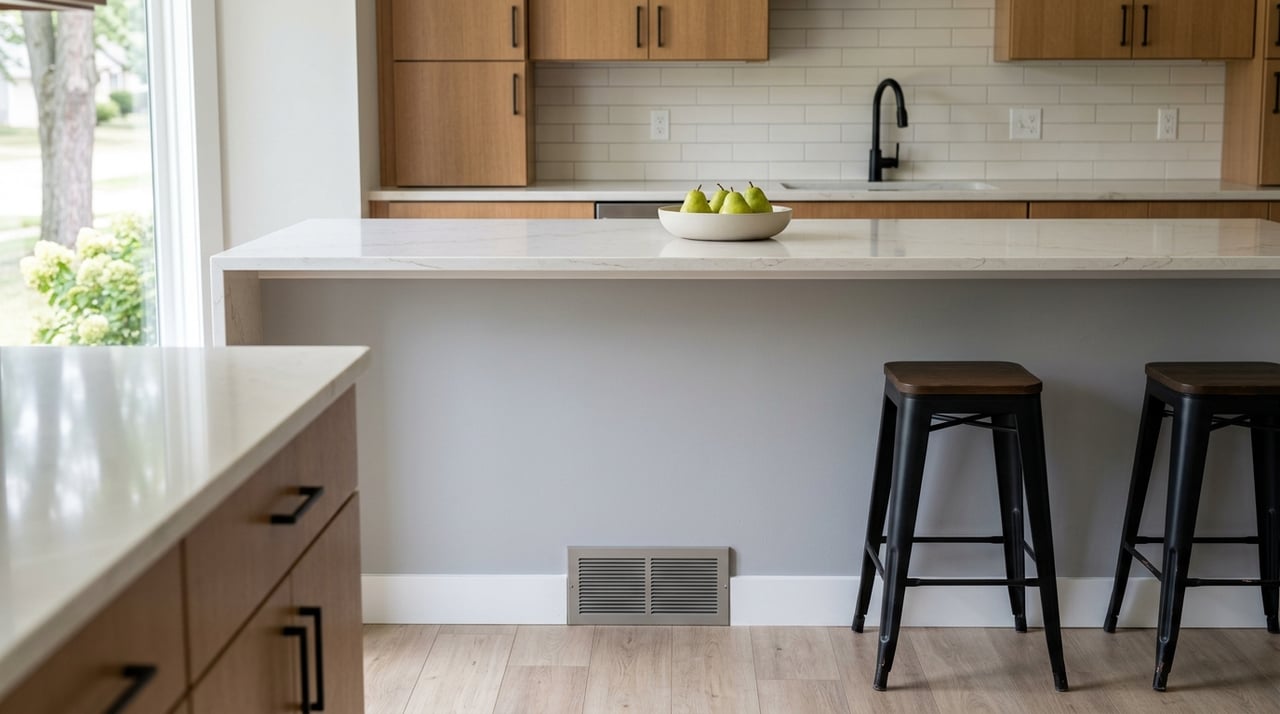
This is especially true if your current home no longer fits how you live. Maybe you need more square footage, want a different layout, or prefer a lower-maintenance option like a townhome or condo.
Roseville can also work well if you want to stay near both Minneapolis and St. Paul while moving into a new price tier. For many Twin Cities buyers, that balance is a big part of the appeal.
Roseville housing stock to expect
One of the most important things to understand is that Roseville is not a blank-slate new construction market. The city reports that it has limited vacant land, so new single-family construction happens in small numbers.
Instead, Roseville’s housing stock is mostly established. The city says 85% of its residentially zoned land is reserved for single-family homes, which helps explain why detached homes remain a major part of the local market.
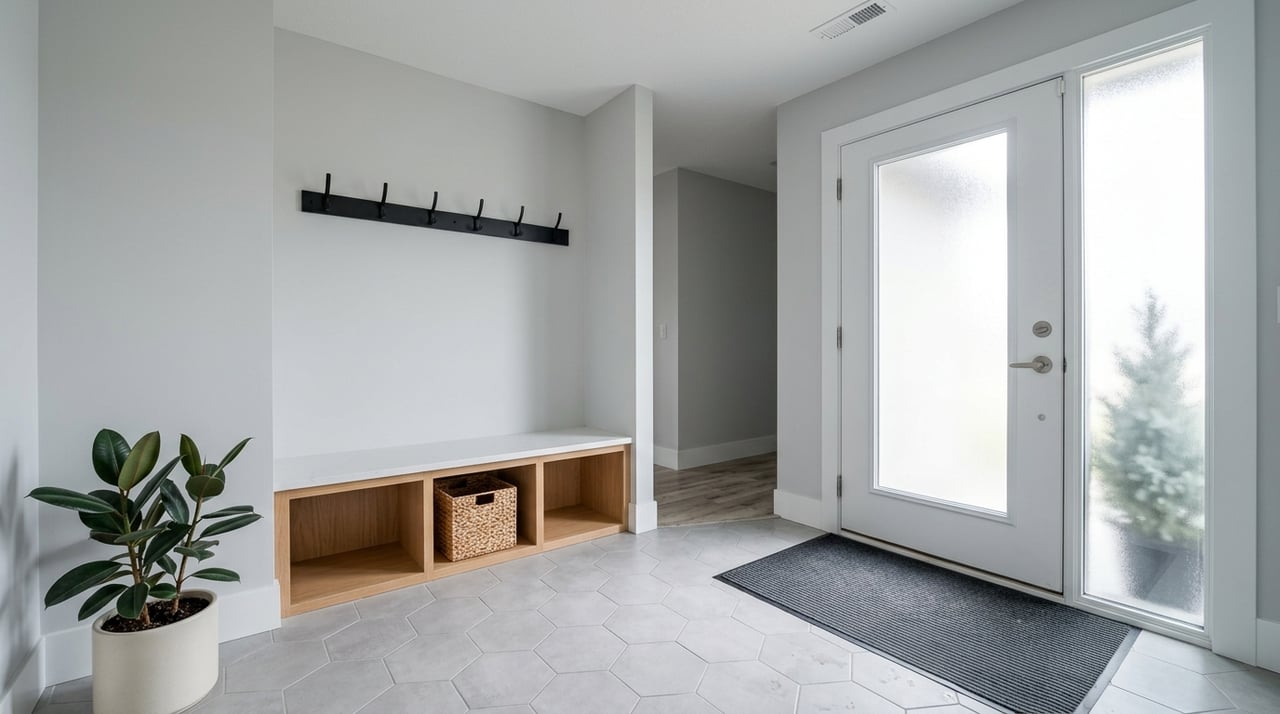
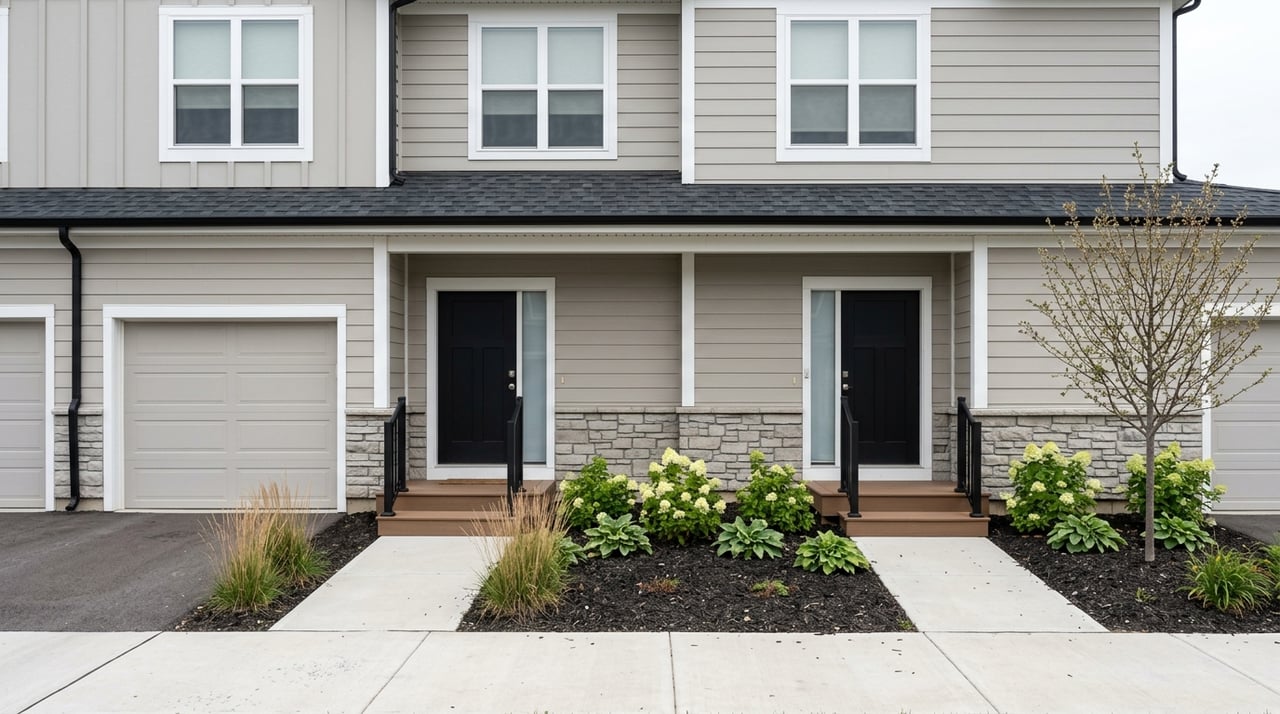
At the same time, Roseville includes attached housing choices too. City sources note options such as townhomes, twinhomes, condos, detached villas, and single-family homes, giving buyers several paths depending on budget, space needs, and maintenance preferences.
Common home styles in Roseville
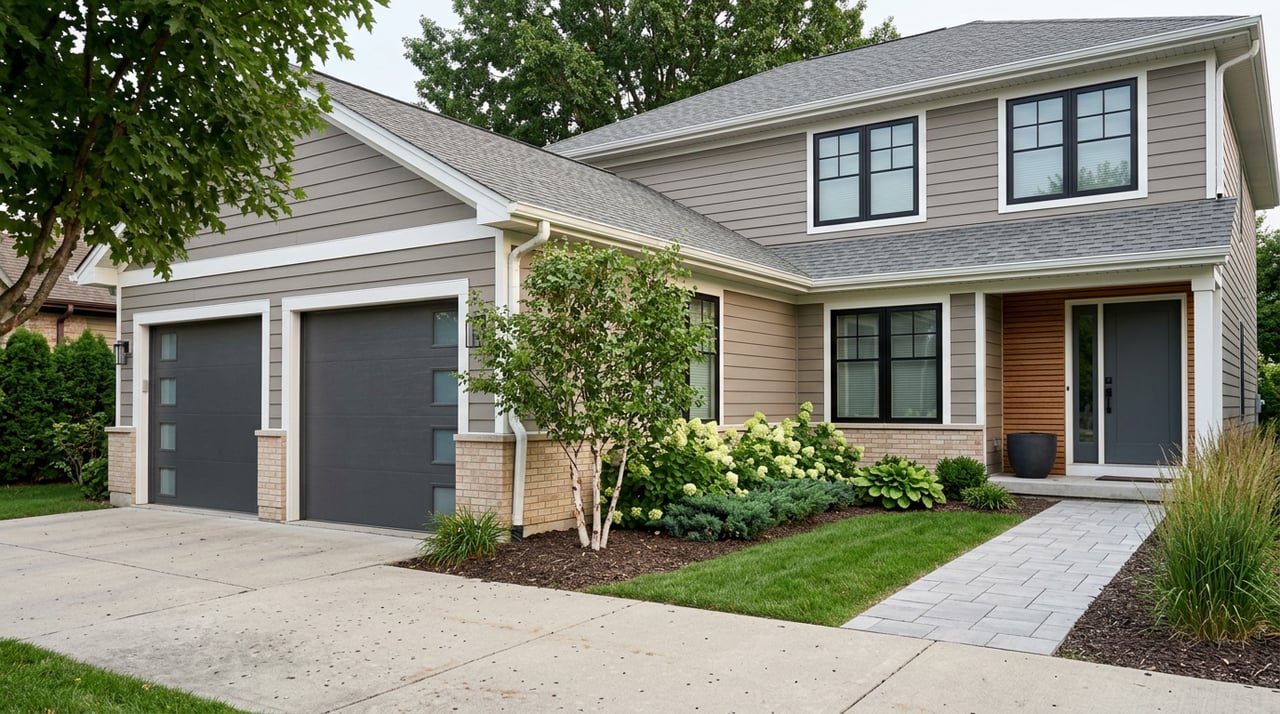
If you start touring homes in Roseville, you will likely notice a pattern. In the city’s for-sale market analysis, active single-family listings were mostly one-story homes, followed by two-story and 1.5-story homes.
For attached homes, multifamily listings were mainly side-by-side townhomes or twinhomes and low-rise condominiums. The same study found that nearly all general-occupancy condos were built in the 1960s and 1970s, with some newer examples appearing in the 2000s.
That gives Roseville an established-suburb feel. You are generally shopping resale homes and infill opportunities, not large tracts of newly built inventory.
A note on missing-middle options
Roseville’s 2021 zoning update noted that the city has seen an apartment boom, but relatively few missing-middle housing types have been added. That includes options like duplexes, triplexes, fourplexes, rowhouses, and courtyard cottage homes.
For you as a buyer, that means the mix may feel somewhat narrower than in places with more recent redevelopment. You will likely see more traditional single-family choices and attached ownership options than a broad spread of newer small-scale formats.
How Roseville compares on price
Price is often one of the biggest questions for move-up buyers, especially if you are selling one home and buying another. Based on the Minneapolis Area Realtors March 2026 local market update, Roseville’s rolling 12-month median sales price was $375,000.
That places Roseville in the middle of a nearby suburban group. In the same dataset, Maplewood was at $338,000, Little Canada was at $339,000, and Shoreview was at $395,000.
In simple terms, Roseville sits above Maplewood and Little Canada, but just below Shoreview. If your target budget is around the mid-market range, that can make Roseville a practical middle-ground option.
What market pace can mean for your move
It is also helpful to look at how quickly homes have been moving. In March 2026, Roseville posted a median 25 days on market and 1.9 months of inventory. On a rolling 12-month basis, median days on market was 36.
Compared with nearby areas, that suggests a fairly active market. Maplewood’s rolling 12-month median days on market was 40, Shoreview’s was 33, and Little Canada’s was 57.
For you, that means timing still matters. If you are trying to line up a sale and purchase, a thoughtful plan can help you avoid feeling rushed on one side of the move and stuck on the other.
Commute and location advantages
For many buyers, Roseville’s biggest strength is simple: location. The city promotes its direct access to Highway 36 and Interstates 35W and 35E, which can make travel across the metro easier.
The Census Bureau reports a mean travel time to work of 20.7 minutes. Roseville also points residents to transit and ride-service options in addition to the freeway network.
If your next-step move is about improving your daily routine, this matters. A home that better fits your needs is important, but so is how easily you can get to work, appointments, shopping, and other parts of the metro.
School boundaries need address-level checking
If school assignment matters in your search, it is important to verify it by address. Roseville Area Schools offers a searchable boundary map and a district enrollment office in Roseville.
That is useful because school fit should not be assumed from the city name alone. Two homes with the same Roseville mailing identity may not always line up the way you expect, so confirming details early can save time.
Questions to ask before choosing Roseville
Before you decide whether Roseville is your right next-step market, ask yourself a few practical questions:
- Do you want more square footage, a different layout, or a larger lot than you have now?
- Would a lower-maintenance townhome, twinhome, or condo fit your next stage better than a detached home?
- Is central access to Minneapolis and St. Paul a top priority for your household?
- Are you comfortable buying in an established resale market rather than expecting abundant new construction?
- If school boundaries matter, have you confirmed the address rather than relying on assumptions?
- Can you sell your current home and buy your next one in the right order for your budget and timeline?
These questions can help you think beyond the listing photos. They also make it easier to compare Roseville with other nearby options in a way that reflects your real life.
When Roseville makes the most sense
Roseville often makes the most sense if you want a central Twin Cities location, mature neighborhoods, and a housing mix that includes both detached homes and attached ownership options. It can be an appealing next step if you want to stay close in while adjusting your budget, space, or maintenance level.
It may be less ideal if your top goal is abundant brand-new construction or a true outer-ring suburban setting. The city’s limited vacant land and established housing profile point more toward resale and infill than large-scale new development.
Making a smart next move
If you are considering Roseville, the best next step is to match your goals to the city’s actual housing profile. That means looking closely at commute patterns, home style preferences, price range, and the timing of your current home sale.
A move-up decision is not just about finding a bigger house. It is about finding a home and location that fit the way you want to live next.
If you want help comparing Roseville to nearby suburbs or planning the sale-and-purchase timeline, Julie Doolittle can help you sort through your options with clear local guidance.
FAQs
Is Roseville a good place for move-up buyers in the Twin Cities?
- Roseville can be a strong option if you want central metro access, established neighborhoods, and a mix of detached homes and attached ownership options rather than large amounts of new construction.
What types of homes are common in Roseville, MN?
- Roseville’s housing stock leans toward established single-family homes, especially one-story homes, along with townhomes, twinhomes, detached villas, and low-rise condos.
How does Roseville compare in price to nearby suburbs?
- Based on rolling 12-month median sales price data from March 2026, Roseville was at $375,000, above Maplewood and Little Canada and just below Shoreview.
Is Roseville mostly new construction or resale homes?
- Roseville is mostly a resale and infill market because the city has limited vacant land and only small amounts of new single-family construction.
Should buyers verify school boundaries in Roseville by address?
- Yes. Roseville Area Schools provides a searchable boundary map, and school fit should be confirmed by specific address rather than assumed from the city name alone.