Thinking about selling your home in South St. Paul? The good news is that this market can move quickly, but a smooth sale still depends on smart prep, local compliance, and a clear plan from day one. If you want fewer surprises and more confidence, this step-by-step guide will walk you through what to expect, what to do first, and how to stay on track from listing to closing. Let’s dive in.
Understand the South St. Paul market
Before you list, it helps to know what kind of pace you may be working with. Recent market snapshots show South St. Paul as a competitive market, with some variation depending on the source. Redfin reported a median sale price of $296,050 and median days on market of 17 in March 2026, while Realtor.com showed a median asking price of $275,000, 42 active listings, median days on market of 33, and a 100% sale-to-list ratio.
Zillow’s home value index placed the average South St. Paul home value at $300,285 as of April 30, 2026. These numbers are not conflicting as much as they are measuring different things, such as closed sales, active listings, or estimated values. For you as a seller, the big takeaway is that pricing and preparation matter because buyers are active, but they are also comparing options carefully.
Know your likely selling timeline
A realistic timeline can help you plan your move, your next purchase, or your closing date with less stress. Based on current market pace, a buyer may be found in about 2 to 5 weeks once your home is ready to go live. Minnesota Attorney General guidance also suggests scheduling closing at least six weeks after the purchase agreement is signed.
That means many South St. Paul home sales may take roughly 6 to 10 or more weeks from listing to closing. If your home needs repairs, if financing takes longer, or if inspection issues come up, the process can stretch out. Starting early gives you more flexibility.
Step 1: Prepare your home for buyers
Your first job is to make the home feel clean, cared for, and easy for buyers to picture as their own. The Minnesota Attorney General recommends practical pre-listing steps like decluttering, deep cleaning, using neutral paint colors, fixing leaks or moisture problems, eliminating pests, refreshing bathrooms, and handling small repairs.
Small details can make a bigger difference than many sellers expect. Loose knobs, squeaky hinges, dirty filters, and minor cosmetic issues can signal deferred maintenance to buyers. Taking care of those items before listing can help your home show better and reduce distractions during showings.
If you plan to hire contractors, the Minnesota Attorney General advises getting multiple bids and checking licensing and permits. This can help you avoid delays and make sure any work is done properly before your home goes on the market.
Step 2: Check South St. Paul exterior requirements
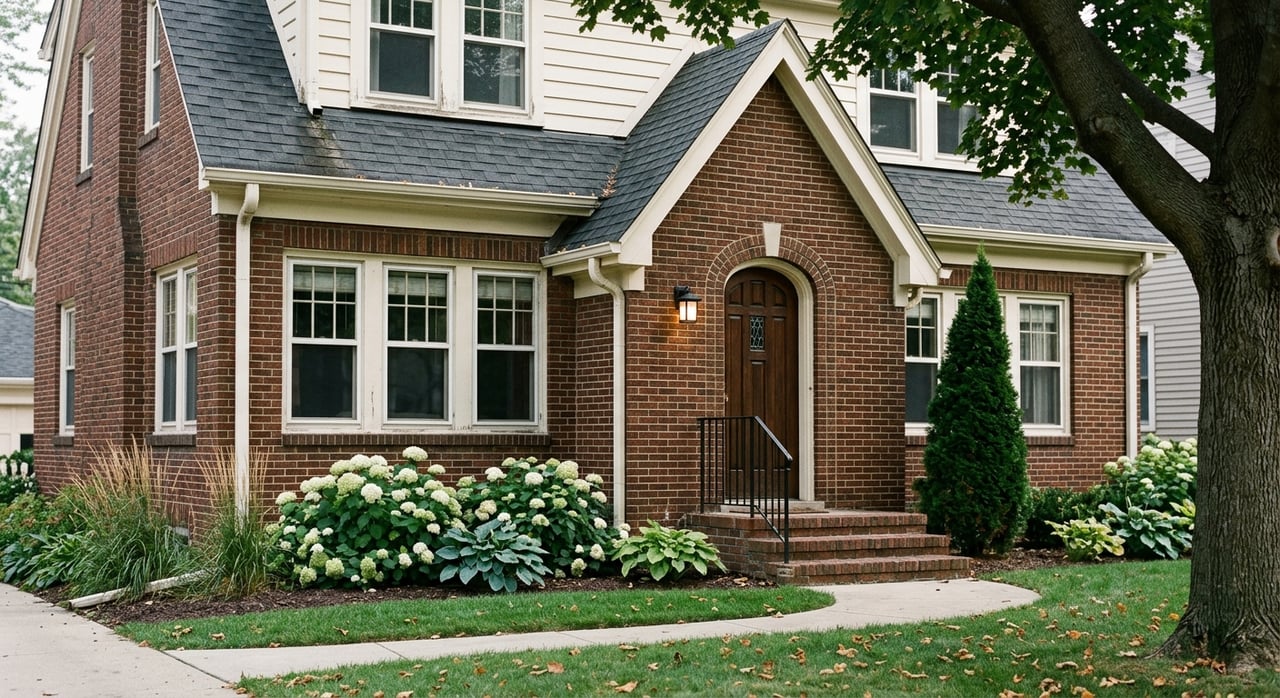
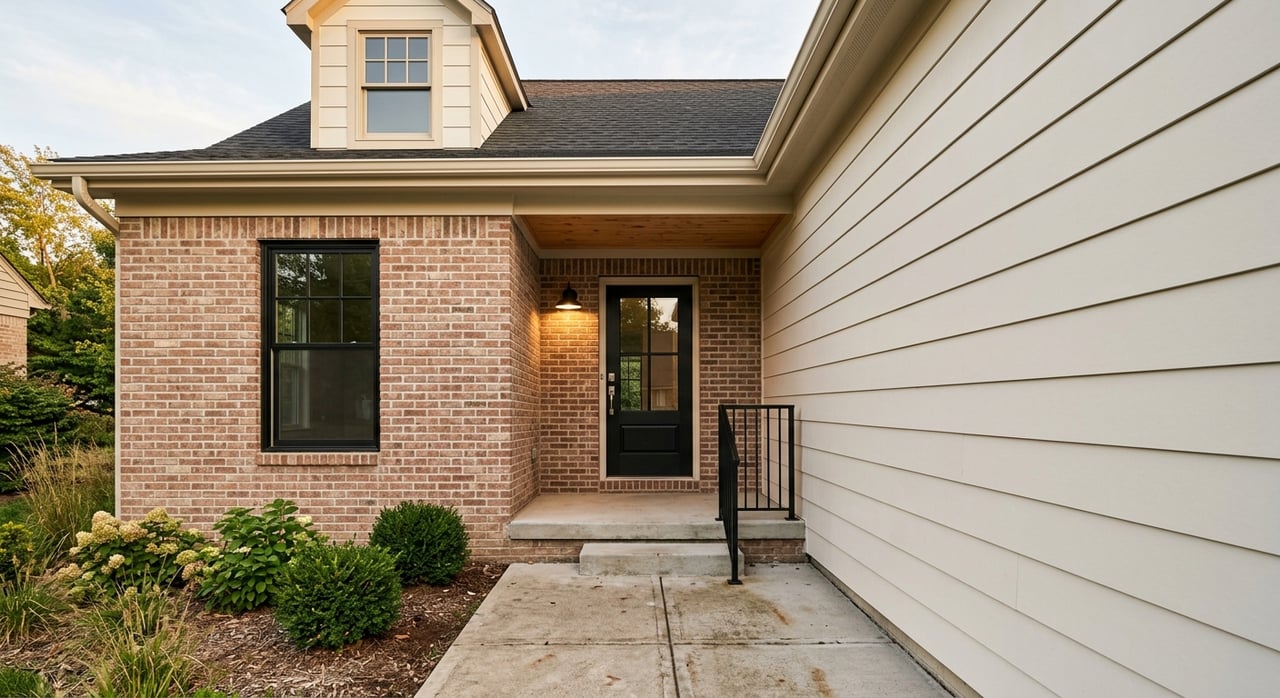
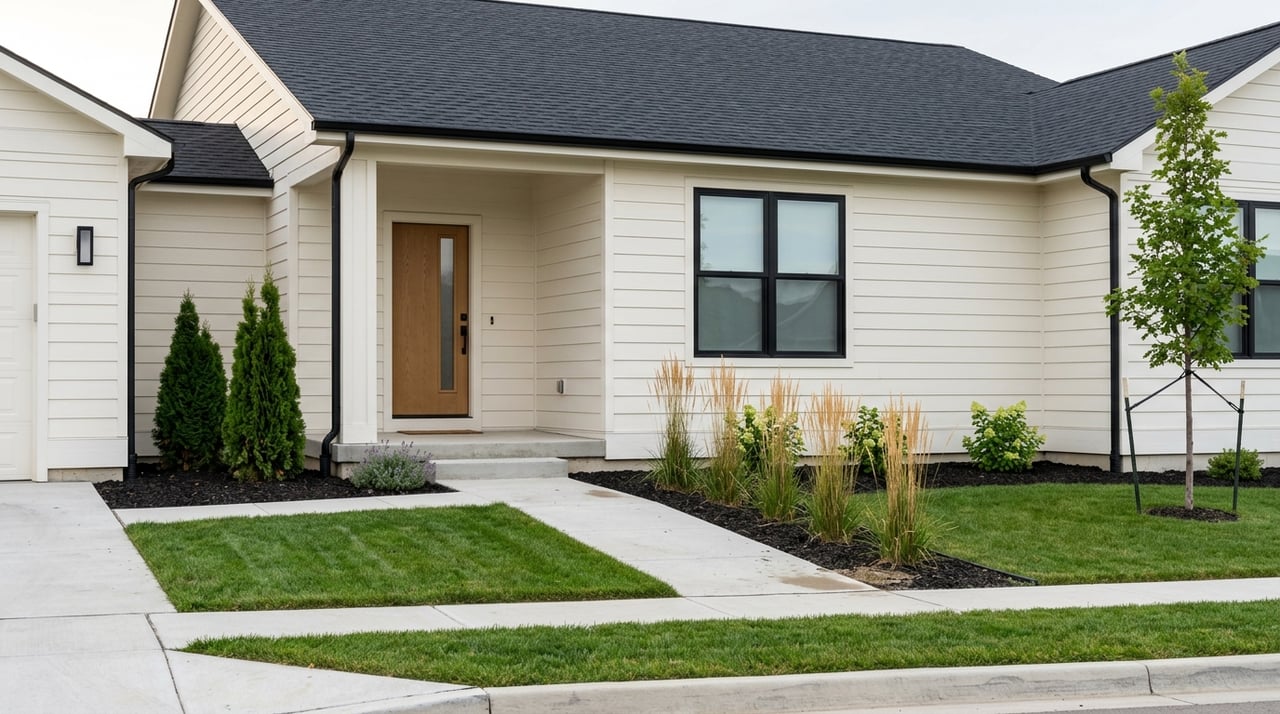
In South St. Paul, curb appeal is not just about appearance. The city’s code checklist also reinforces exterior maintenance expectations that can affect how your property is viewed. That includes concerns like trash or outside storage, tall grass, inoperable vehicles, missing address numbers, damaged roofs or siding, and snow or ice on sidewalks.
A quick exterior review before listing can save you time later. Walk around your property as if you were seeing it for the first time. If anything looks neglected, fix it before photos and showings begin.
Step 3: Complete the Time-of-Sale inspection
This is one of the most important local steps for South St. Paul sellers. The city has a Time-of-Sale Housing Inspection Program, and the inspection report must be available when the property is shown.
According to the city, you need to hire a city-licensed evaluator to complete the inspection. The report is generally filed within 10 days, and if any items are marked “Hazardous,” those must be corrected before the buyer takes possession unless the buyer formally assumes them through the city’s acknowledgment and approval process.
If hazards are found and corrected, a follow-up reinspection is typically required. The city notes that a closing letter is usually issued once hazardous items are resolved. The report is generally valid for one year for the current owner.
Step 4: Gather required disclosures
Minnesota sellers are required to provide a written disclosure of material facts before a purchase agreement is signed. This is a key part of protecting both you and the buyer. It is best to gather disclosure information early so nothing gets rushed once offers start coming in.
Depending on the property, you may also need to disclose known issues involving wells or underground sewage treatment systems. If those apply to your home, make sure your records are organized in advance.
Radon disclosure is also required under Minnesota’s Radon Awareness Act. You must disclose any knowledge you have about radon concentrations in writing, include any test records and mitigation information if they exist, provide the required warning statement, and give buyers the Minnesota Department of Health publication on radon in real estate transactions.
If your home was built before 1978, federal law also requires lead-based paint disclosures, any known lead-hazard information, and the required EPA pamphlet. Buyers must be given a 10-day opportunity to test for lead if they choose.
Step 5: Stage and photograph the home
Once your home is clean, repaired, and compliant, presentation becomes the priority. Good listing photos and a simple staging plan can have a real impact on buyer interest. In the National Association of Realtors’ 2025 staging profile, 29% of agents said staging a seller’s home increased the dollar value offered by 1% to 10%, and 49% said staging reduced time on market.
The same report found that 73% of buyers’ agents said photos were highly important in listings. For your South St. Paul sale, that supports a simple strategy: keep the home uncluttered, highlight the main living areas, and invest in strong photography.
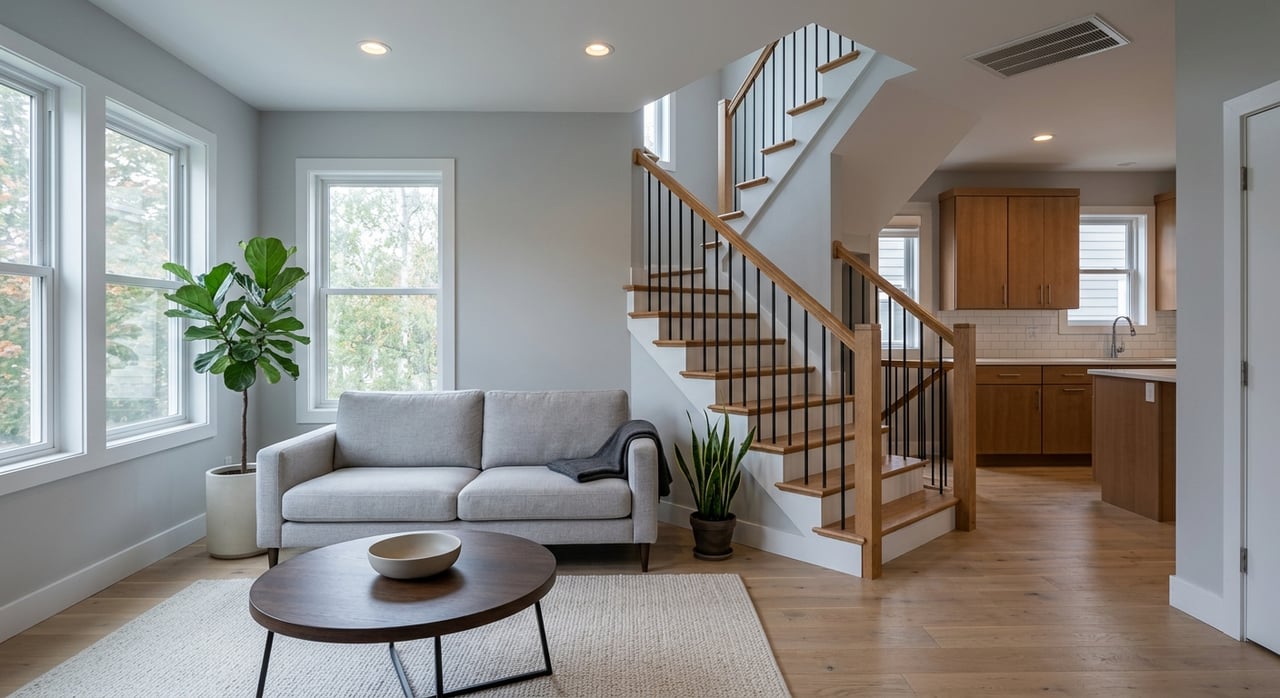
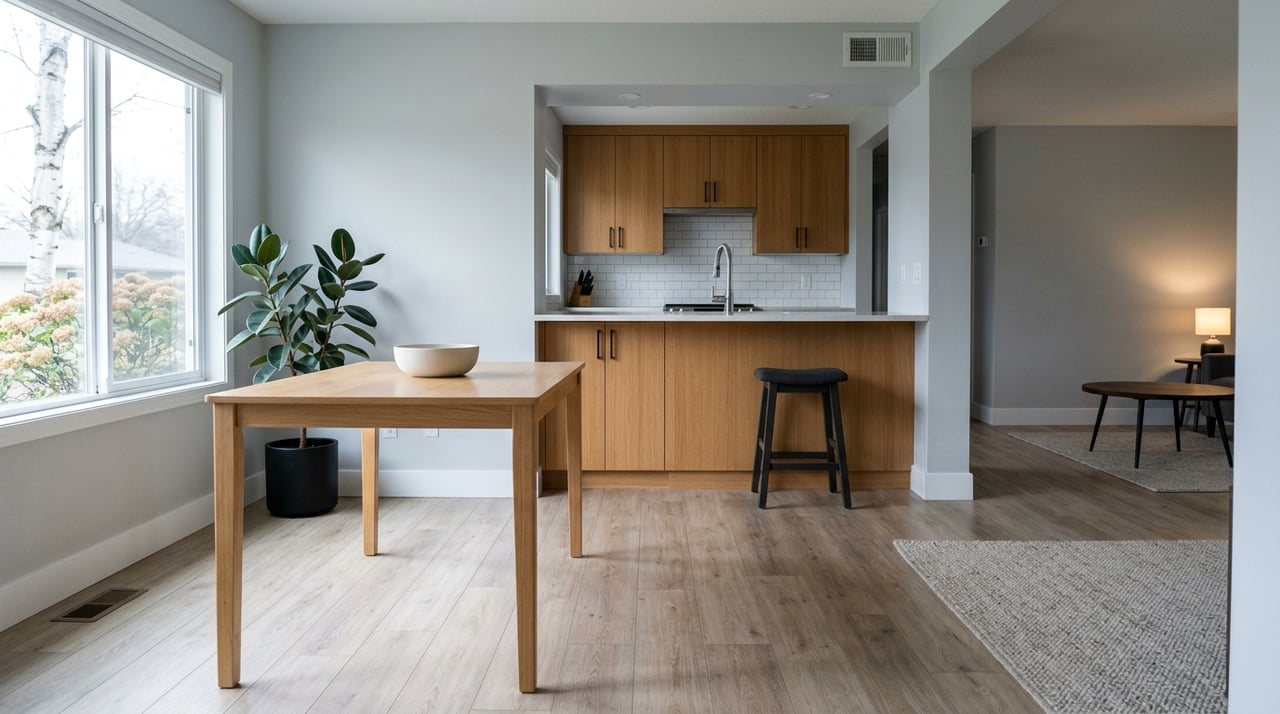
You do not need to overdo it. Focus on the spaces that shape a buyer’s first impression, such as the living room, kitchen, primary bedroom, and main bathrooms. Clean lines and open surfaces tend to read best in photos.
Step 6: List and manage showings
Once your home is active, consistency matters. Your home should stay show-ready as much as possible, and your Time-of-Sale report needs to remain available during showings. Keeping paperwork organized can help buyers feel more comfortable and help the process move faster.
Try to make access as smooth as you can. The easier it is for qualified buyers to see the home, the more likely you are to build early momentum. In a market where some homes move fast, the first week or two can be especially important.
Step 7: Review offers carefully
The highest price is not always the strongest offer. The Minnesota Attorney General recommends reviewing the bid price, the buyer’s financing ability, and any contingencies before deciding how to respond.
The same guidance notes that offers within 3% to 5% of asking price are often considered strong, that buyers should provide a lender qualification letter, and that loan-approval contingencies are commonly set at 30 days or less. Those details can affect how likely the deal is to reach closing on time.
You can also make a counteroffer if the terms are not quite right. If you agree on repairs, appliances, personal property, or other terms, make sure every detail is written into the purchase contract. Clear paperwork reduces misunderstandings later.
Step 8: Prepare for inspection and appraisal
After you accept an offer, the transaction enters a new phase where flexibility still matters. A buyer’s lender may require a home inspection, and if major issues come up, the lender may require repairs before closing or the buyer may ask for credits or changes.
The appraisal can also affect the deal. If the home appraises low, the buyer and seller may need to renegotiate price or terms. This is one reason sellers benefit from entering negotiations with realistic pricing and staying open to practical solutions.
Step 9: Get ready for the final walkthrough
Near the end of the transaction, the buyer will usually do a final walkthrough. This typically happens 24 to 72 hours before closing and is used to confirm that the property is in the agreed condition.
Buyers often check that any agreed repairs were completed, belongings have been removed, systems and appliances are working, and the home is left broom-clean. If there is a problem, closing can be delayed or renegotiated. It is worth giving yourself enough time to finish move-out and cleaning before this step.
Step 10: Understand closing day and costs
On closing day, you will sign the deed and other closing documents, including the settlement statement or closing disclosure. Minnesota Attorney General guidance recommends setting the closing date at least six weeks after the purchase agreement is signed. Many closings are scheduled near the end of the month, though not on the last day.
Seller closing costs in Minnesota often include:
- Real estate commission
- Abstract or title search
- Recording fees
- Property taxes and assessments
- State deed tax
- Dakota County conservation fee
- Closing-agent fee
For Dakota County, the county conservation fee is $5. Minnesota deed tax is 0.0033 of net consideration statewide, with a minimum of $1.65 in small-transfer situations. On a sale around the recent South St. Paul range of roughly $296,050 to $300,285, the deed tax alone is about $977 to $991 before exemptions or adjustments.
A simple South St. Paul seller checklist
If you want a quick summary, here is the step-by-step path:
- Review the local market and pricing range.
- Declutter, clean, and complete small repairs.
- Address exterior maintenance issues.
- Schedule the South St. Paul Time-of-Sale inspection.
- Gather disclosures, including radon and lead-based paint if applicable.
- Stage key spaces and schedule professional photos.
- List the home and keep it show-ready.
- Review offers based on price, financing, and contingencies.
- Navigate inspection, appraisal, and any repair negotiations.
- Prepare for the final walkthrough and closing.
Selling a home in South St. Paul is very manageable when you break it into steps and plan ahead. If you want guidance on pricing, timing, marketing, and what to expect from start to finish, Arbor Residential Group offers a local, hands-on approach designed to help you sell with more clarity and less stress.
FAQs
What is the first step to selling a home in South St. Paul?
- The first step is usually preparing your home for the market by decluttering, cleaning, making basic repairs, and reviewing local requirements like the South St. Paul Time-of-Sale inspection.
How long does it take to sell a home in South St. Paul?
- Once your home is ready to list, a buyer may be found in about 2 to 5 weeks, and closing is often scheduled at least six weeks after the purchase agreement, so many sales take around 6 to 10 or more weeks total.
Is a Time-of-Sale inspection required in South St. Paul?
- Yes. South St. Paul has a Time-of-Sale Housing Inspection Program, and the inspection report must be available when the property is shown.
What disclosures are required when selling a home in Minnesota?
- Minnesota requires a written disclosure of material facts before a purchase agreement is signed, and additional disclosures may be required for radon, wells, sewage treatment systems, and lead-based paint in homes built before 1978.
How should sellers review offers on a South St. Paul home?
- You should look at more than price, including the buyer’s financing strength, qualification letter, contingencies, and proposed timeline to decide which offer is strongest.
What closing costs do South St. Paul home sellers usually pay?
- Seller closing costs often include commission, title-related costs, recording fees, property taxes and assessments, Minnesota deed tax, Dakota County’s conservation fee, and closing-agent fees.