Looking for a neighborhood where you can do more on foot, by bike, or on transit? Uptown stands out in Minneapolis because daily errands, dining, entertainment, and outdoor time can often happen without getting behind the wheel. If you are curious about what car-free living in Uptown really looks like, this guide will walk you through the housing options, transit connections, and lifestyle benefits that make a car-light routine possible. Let’s dive in.
Why Uptown Works for Car-Light Living
Uptown is best understood as a car-light neighborhood, not a one-size-fits-all, zero-car promise. The City of Minneapolis describes Ward 10, or Uptown, as central Minneapolis with unique shops, restaurants, theaters, music venues, bike-friendly roads, a transit center, and a wide range of housing options.
That mix matters because car-light living depends on more than one feature. You need homes near daily needs, practical ways to get around, and places you actually enjoy spending time. Uptown checks those boxes better than many other parts of the metro.
It also helps to think of Uptown as a district instead of a single strip. Ward 10 includes East Bde Maka Ska, East Isles, Lowry Hill East, South Uptown, and Whittier, so your experience can vary depending on where you live within the area.
Housing Options in Uptown
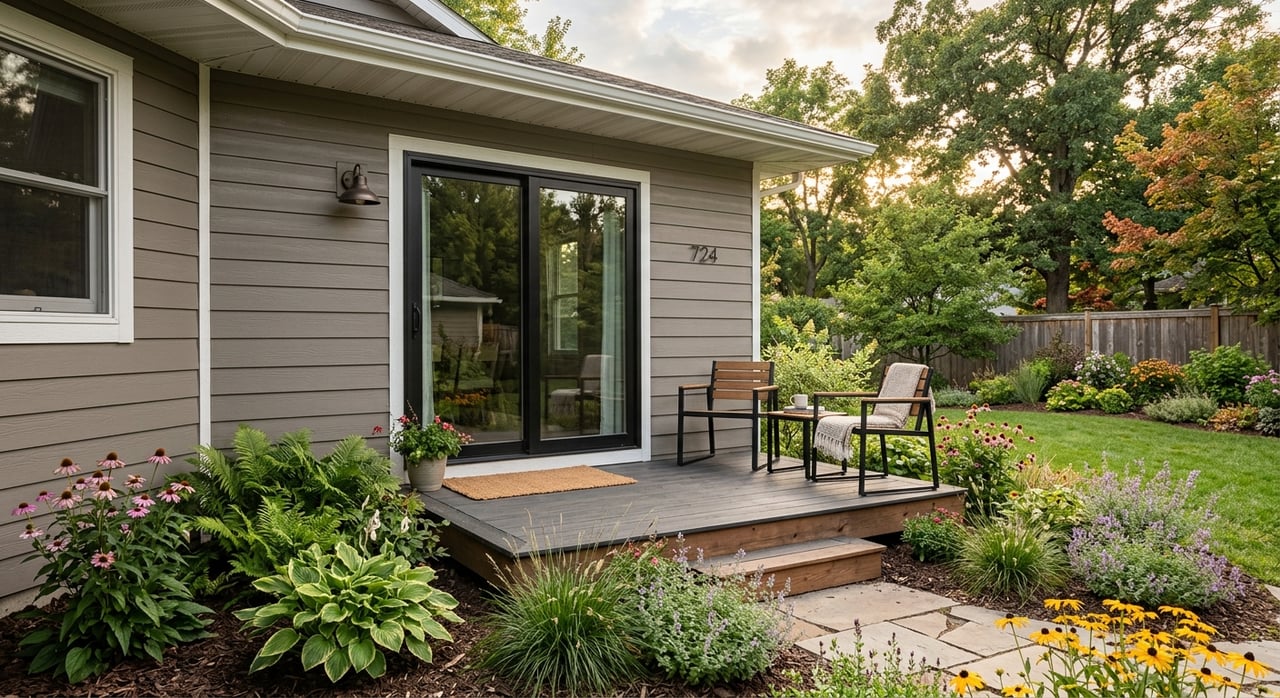
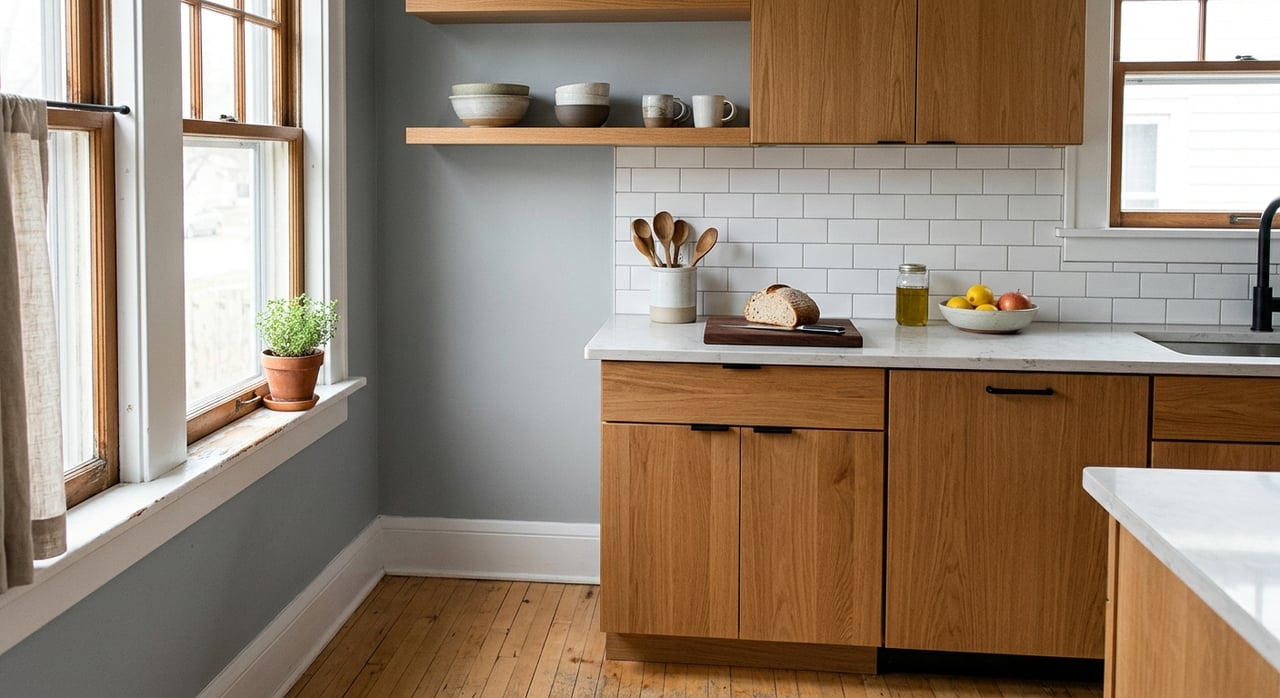
One of Uptown’s biggest strengths is variety. According to the City of Minneapolis, the area ranges from vintage Victorian homes to very small micro apartment units, which means you are not locked into one type of housing if you want a lower-car lifestyle.
For many buyers and renters, the most practical fit is apartment-style or condo-style living. These homes often align more naturally with walking, biking, and transit because they are commonly found near active commercial streets and transit corridors.
Low-Rise Apartments and Micro-Units
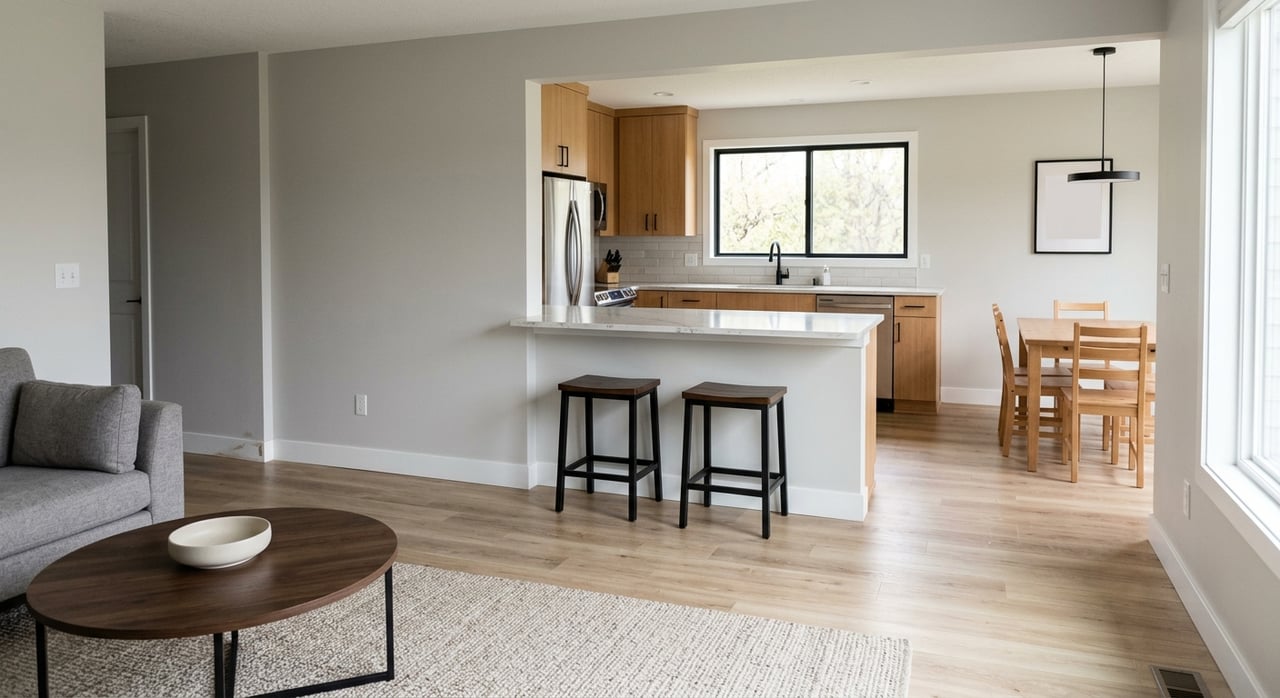
If your goal is to simplify your routine, low-rise apartments and micro-units can be a strong match. Smaller spaces often appeal to people who want a home base close to restaurants, coffee shops, trails, and transit instead of a property that requires more upkeep and more driving.
This lines up with the broader Minneapolis housing picture too. The city notes that most people in Minneapolis rent their homes, so apartment living is a central part of how many residents experience the city.
Condos and Smaller Multifamily Homes
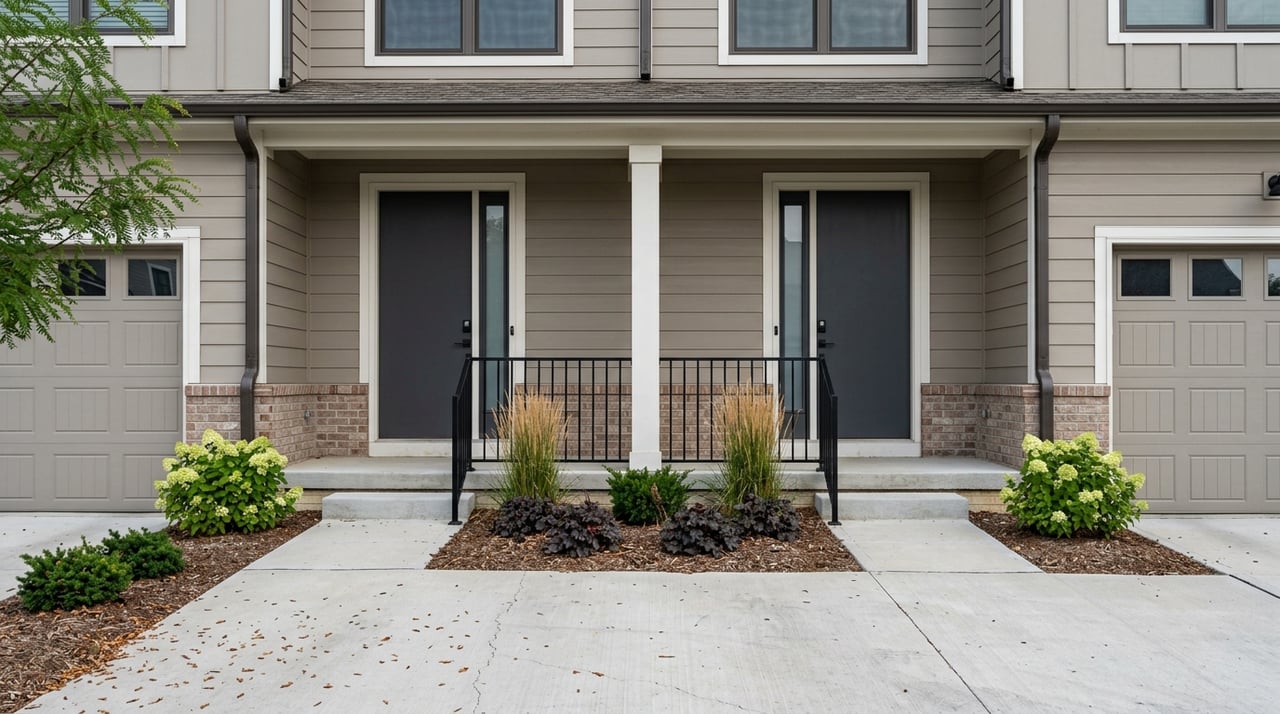
Condo-style homes and smaller multifamily properties can offer a middle ground. You may get more privacy or ownership benefits while still staying close to the parts of Uptown that support a car-light routine.
These options can make sense if you want easier access to daily amenities without taking on the maintenance demands that sometimes come with a larger detached home. For some buyers, that tradeoff is a major lifestyle win.
Detached Homes in the Area
Detached homes are part of the broader Uptown housing mix, but they are usually less central to the car-free conversation. If you are focused on reducing how often you drive, apartment, condo, and smaller multifamily options tend to fit the story more naturally.
That does not mean a detached home cannot work. It simply means your exact location within Uptown matters more if you want walking, biking, and transit to carry more of your daily routine.
Transit Access Without a Car
Transit is a major reason Uptown supports car-light living so well. Metro Transit says the METRO E Line serves Uptown, downtown Minneapolis, and the University of Minnesota, giving residents a direct connection to major destinations.
The Uptown Transit Station also sits within the Hennepin Avenue South Reconstruction project area. That project is intended to improve bicycle and pedestrian facilities, transit access, and bus-only lanes, which strengthens the area’s appeal for people who want more options than driving.
Key Routes to Know
Uptown is not built around a single route. That matters because it gives you flexibility when traffic, weather, or daily plans shift.
Here are a few important transit connections mentioned in the local research:
- METRO E Line serves Uptown, downtown Minneapolis, and the University of Minnesota
- Route 17 lists Uptown and downtown Minneapolis as key destinations
- Route 18 runs primarily along Nicollet Avenue through downtown Minneapolis
Together, these routes support a routine where you can mix walking and transit instead of driving for every trip. Hennepin helps with major connections, while Nicollet expands access toward downtown.
Biking Is a Big Part of the Lifestyle
If you picture car-light living in Uptown, biking is part of that picture. Minneapolis offers 89 miles of trails, 36 miles of curb-protected bikeways and paths, and more than 140 miles of painted bike lanes, which means Uptown connects into a larger citywide system.
That broader network is important. You are not limited to short neighborhood rides. You can use bike routes for recreation, commuting, and day-to-day errands in a way that feels more realistic because the system reaches well beyond Uptown itself.
The Bde Maka Ska Advantage
One of Uptown’s biggest lifestyle draws is how close it is to Bde Maka Ska. The lake sits about three blocks west of Lake Street and Hennepin Avenue, and Bde Maka Ska Park includes 3.1 miles of pedestrian trails and 3.19 miles of bike trails around the lake.
The park also offers beaches, picnic areas, restrooms, and bike and canoe rentals. For many residents, that means outdoor time is not a special weekend plan. It can be part of your normal day.
Trail Connections Beyond the Lake
The lake loop is only the start. Dean Parkway connects Bde Maka Ska, Lake of the Isles, Cedar Lake, and the Midtown Greenway, creating a much wider network for both recreation and practical travel.
The Midtown Greenway is a 5.9-mile bicycle and pedestrian trail that reaches the western boundary of Minneapolis, connects to Cedar Lake Regional Trail, and is mostly free of car traffic. Cedar Lake Regional Trail also connects to the north end of downtown Minneapolis, including a section under Target Field.
For someone trying to drive less, those connections are a big deal. They turn Uptown into a place where biking can be more than a hobby.
What a Typical Car-Light Day Can Look Like
A realistic Uptown routine might start with a walk to coffee, a quick errand, or dinner nearby. The City of Minneapolis describes the area as having strong access to shops, restaurants, theaters, and music venues, which supports that kind of daily pattern.
If you work or study in another part of the city, you might take transit downtown or toward the University of Minnesota. If you want exercise or a low-stress way to get around, the lake trails and connected bike system add another option.
That is the heart of Uptown living for many people. You are not forced to drive for every part of your day, and that flexibility can make daily life feel simpler.
What to Keep in Mind Year-Round
Minnesota weather is part of the conversation. Car-light living in Uptown can work year-round for some residents, but it helps to be honest about winter planning.
The Minneapolis Park and Recreation Board posts trail-plowing information, and many trails offer separate paths for walkers, runners, and wheeled recreation. That supports year-round use, but comfort with cold-weather walking or biking still matters.
If you are considering Uptown for a lower-car lifestyle, think about your own habits. Some people are happy to bundle up, use transit, and bike through much of the year. Others may prefer a car-light setup where they still keep a vehicle for certain seasons or specific trips.
How to Choose the Right Home
If your goal is to rely less on a car, location should lead your housing search. In Uptown, homes closer to Hennepin, Lake, and the transit station area may offer the easiest access to the day-to-day conveniences that support this lifestyle.
Property type matters too. Apartment living near active corridors may be the easiest entry point, while condos and smaller multifamily homes can offer a similar benefit with different ownership or layout preferences.
As you compare options, it helps to ask practical questions like:
- How close is the home to transit stops?
- Can you walk to dining, errands, or entertainment?
- How easy is bike access from the property?
- Does the home layout fit a simpler, lower-maintenance lifestyle?
- Will the location still feel practical in winter?
These are the kinds of details that can make a car-light plan feel smooth instead of frustrating.
If you are weighing Uptown against other Twin Cities neighborhoods, it also helps to compare the full picture, not just listing photos. Commute patterns, trail access, daily errands, and housing type all shape how livable a neighborhood will feel once you move in.
For personalized guidance on neighborhoods, housing options, and how your lifestyle goals fit the local market, connect with Arbor Residential Group. A thoughtful home search starts with understanding how you want to live, not just where you want to sleep.
FAQs
Is Uptown Minneapolis truly car-free for most residents?
- Uptown is better described as car-light than fully car-free. Many residents can organize daily life around walking, transit, and biking, but the best fit depends on your location, habits, and comfort with year-round planning.
What housing types in Uptown fit car-light living best?
- Low-rise apartments, micro-units, condo-style homes, and smaller multifamily properties tend to align best with car-light living because they often connect more naturally to transit, walkable streets, and neighborhood amenities.
What transit options support car-light living in Uptown?
- The METRO E Line serves Uptown, downtown Minneapolis, and the University of Minnesota. Route 17 and Route 18 also add useful connections, especially for access through downtown corridors.
Is biking in Uptown practical beyond summer?
- Biking can be practical beyond summer for some residents. Minneapolis has an extensive trail and bikeway network, and the park board provides trail-plowing information, but winter comfort and planning still matter.
Why is Bde Maka Ska important to the Uptown lifestyle?
- Bde Maka Ska adds everyday outdoor access close to Uptown, with pedestrian and bike trails around the lake plus connections to Dean Parkway, the Midtown Greenway, and Cedar Lake Regional Trail.
How should you choose a home in Uptown for a lower-car lifestyle?
- Focus on location first. Homes near Hennepin, Lake, and the transit station area may make it easier to walk, bike, and use transit for daily needs, especially if you want to reduce how often you drive.